Why You Should Focus On Improving Case Battles
The Ultimate Guide to CS: GO Case Battles: Mechanics, Strategy, and Where to Play
Counter-Strike: Global Offensive (CS: GO)-- now mainly transitioned to its follower, CS2-- has actually preserved among the most lively and lucrative virtual economies in video gaming history. At the heart of this economy are weapon skins, and at the heart of skin acquisition is the olden mechanic of opening cases.
For many years, opening cases was a singular, often csgo case battle frustrating undertaking. Go into CS: GO Case Battles: a thrilling, multiplayer twist on standard case opening that has actually taken the skin-gambling neighborhood by storm. However what precisely are case battles, how do they work, and what should gamers know before diving in? This thorough guide explores everything one requires to know about the phenomenon.
What Are CS: GO Case Battles?
A Case Battle is a multiplayer feature hosted on third-party CS: GO/CS2 gambling and trading sites. Unlike standard case opening, where a single player purchases an essential and opens a case in seclusion, a case battle pits two or more players against each other.
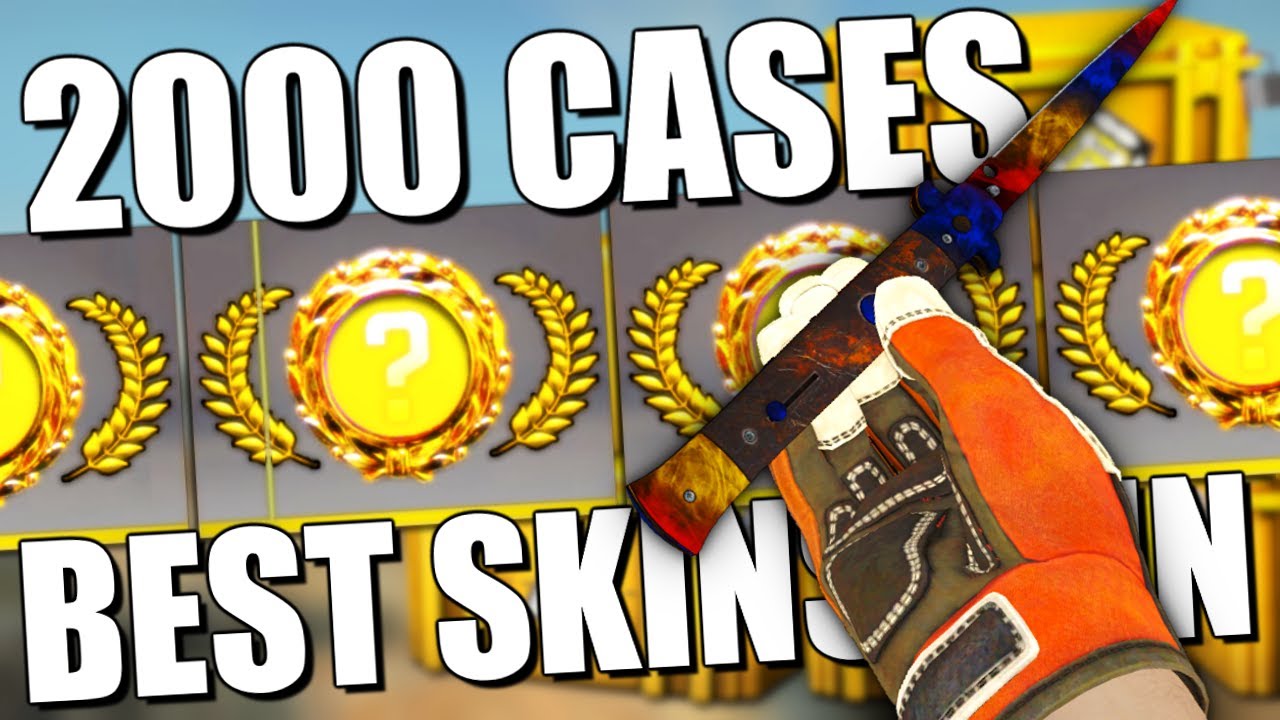
Individuals pool their resources to buy a specific set of cases. Once the battle starts, all gamers concurrently open the exact very same cases in genuine time. The ultimate objective is easy: build up the highest total monetary value of dropped skins by the end of the fight.
The player (or group) with the highest total value wins the whole contents of everybody's dropped skins. The losers win empty hands, making it a high-risk, high-reward form of entertainment.
How Do Case Battles Work?
While various platforms might present unique twists, the core mechanics of a case battle usually follow a standardized process. Understanding these steps is csgo case battle crucial for anybody aiming to take part.
The Step-by-Step Breakdown
- Deposit Funds: Players log into a trusted third-party case-opening site using their Steam accounts and deposit funds using crypto, charge card, or skin trades.
- Produce or Join a Lobby: A gamer can host a new battle or sign up with an existing one. When developing a lobby, the host sets the criteria:
- Player Count: Usually 1v1, 1v1v1, 1v1v1v1, or 2v2 team battles.
- Case Selection: Choosing which and how lots of cases will be opened during the match.
- Game Mode Modifiers: Selecting unique guidelines (e.g., "Terminal" or "Suicide" modes).
- The Opening Phase: Once all slots are filled and spent for, the battle starts. An automated animation displays the cases opening round by round for all individuals all at once.
- The Settlement: After all rounds are finished, the system tallies the Steam Market worth of all items won by each player. The system automatically transfers all dropped skins to the winner's website inventory.
Popular Case Battle Game Modes
To keep the format interesting, third-party platforms have actually introduced several variations to the traditional ruleset.
- Requirement Mode: The gamer with the greatest total item worth at the end wins all the items.
- Suicide Mode (Reverse Battle): In this clever twist, the player with the least expensive total worth wins whatever. This mode includes an amusing dynamic where players actively root to lose money on bad drops.
- Group/Team Battles: Players pair (e.g., 2v2). The combined pool of items is evaluated, and the winning team splits the spoils.
- Terminal Mode: Cases are opened quickly, and particular conditions can set off sudden-death scenarios or bonus offer multipliers.
Standard Case Opening vs. Case Battles
Why have case battles largely overshadowed conventional solo case openings on third-party sites? The table below highlights the crucial differences in between the two methods.
Function Standard Case Opening CS: GO Case Battles Social Interaction Solitary experience Extremely social, typically includes live chat and viewers Home entertainment Value Moderate (relies simply on individual luck) High (competitive, suspenseful, and vibrant) RTP (Return to Player) Potential Statistically fixed per case Enhanced by winning opponent drops Danger Level Moderate (you only lose what you invest) Extreme (winner-take-all mechanics increase volatility) Customization Limited to selecting the specific case Limitless combinations of cases, gamer counts, and special rulesKey Strategies for Case Battles
While case battles are ultimately video games of chance governed by algorithmic probabilities, gamers typically utilize certain methods to manage their bankrolls and make the most of enjoyment.
- Bankroll Management: Never wager more than you can afford to lose. Set a rigorous budget plan before going into a fight lobby.
- Start Small: Begin with affordable 1v1 battles utilizing inexpensive cases to understand the platform interface and pacing without running the risk of significant capital.
- Diversify Case Selection: Avoid spamming the precise same case consistently. Mixing low-tier cases with higher-risk cases can create a balanced volatility curve.
- Play in Teams: Joining 2v2 or 2v2v2 battles can sometimes soften the blow of bad luck, as the monetary threat is dispersed (if playing with buddies who share costs) and winning chances can feel more beneficial.
Dangers and Safety Precautions
Before taking part in CS: GO case battles, users need to be conscious of the intrinsic risks involved.
- Your House Edge: Just like casinos, case-opening websites operate with a mathematical advantage. Over the long term, the platform constantly wins.
- Dependency Potential: The flashing lights, fast pacing, and competitive nature of battles can set off addictive behaviors. Constantly practice responsible video gaming.
- Skin Trading Risks: Third-party gambling sites are not formally backed by Valve. Users should work out severe care relating to account security, API scams, and phishing attempts. Always utilize main Steam Guard protections.
- Legal and Age Restrictions: Ensure you are legally allowed to use gambling or skin-trading platforms in your jurisdiction and fulfill the minimum age requirements.
Often Asked Questions (FAQ)
1. Are CS: GO case battles legal?
The legality of case battles exists in a legal gray area. Since products won are virtual skins rather than fiat currency directly created by the platform (though they can be cashed out via third-party markets), lots of jurisdictions do not classify them strictly as standard online gaming. Nevertheless, numerous regions have strict laws regarding virtual product betting. Always inspect local laws.
2. Do I require to own the video game to play?
A lot of third-party case-battle websites only require a valid Steam account with a connected inventory and a publicly viewable profile. You do not necessarily need to have CS: GO or CS2 set up to get involved.
3. Can I make a profit from case battles?
While some gamers do hit unusual, high-value knife or glove drops that result in a revenue, the mathematical chances greatly prefer your home. Case battles need to be seen mainly as a form of paid entertainment rather than a reliable financial investment or earnings source.
CS: GO Case Battles have changed how players interact with weapon skins, transforming a lonesome lottery into an interesting, competitive spectator sport. By combining the classic adventure of case openings with multiplayer competition and special game modes, platforms have developed an engaging environment for the community. Nevertheless, players need to always approach case battles with caution, a strict budget, and an understanding that the house ultimately holds the upper hand. Play smart, remain safe, and may your drops be legendary!